Naväge vs NeilMed: Which Nose Cleaner is Right for You?

Comprehensive comparison of the two most popular nose cleaner devices. We tested both nasal irrigators for 30 days to give you the real facts.

Updated By Nose Cleaner Team 8 min read

Quick Nose Cleaner Comparison

Feature Naväge Nasal Care NeilMed Sinus Rinse
Price $99.88 $10.49
Power Source Electric (Battery) Manual (Squeeze)
Hands-Free ✅ Yes ❌ No
Salt Pods Proprietary ($0.50 each) Generic ($0.15 each)
Ease of Use ⭐⭐⭐⭐⭐ ⭐⭐⭐⭐
Portability ⭐⭐⭐ ⭐⭐⭐⭐⭐
Maintenance Easy Very Easy
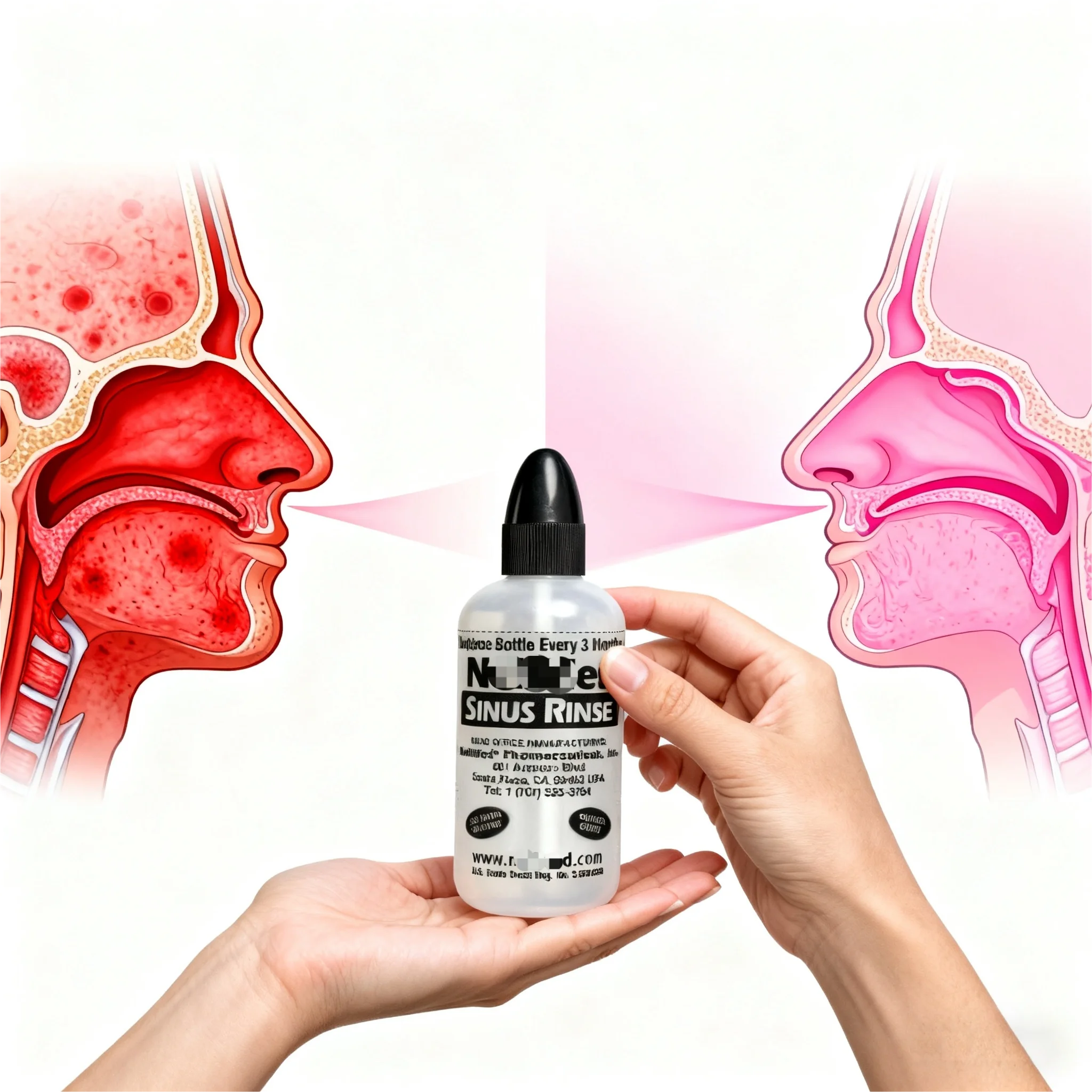
NeilMed Sinus Rinse Kit

NeilMed Sinus Rinse Kit

★★★★☆ 4.7/5 (38,316 reviews)

✅ Pros

  • Very affordable upfront cost
  • No proprietary refills needed
  • Lightweight and portable
  • Easy to find replacement parts
  • Works with any saline solution

❌ Cons

  • Requires manual effort to squeeze
  • Inconsistent pressure control
  • Learning curve for proper technique
  • Can be messy for beginners

Our Experience

The NeilMed Sinus Rinse Kit offers excellent value for money as a manual nose cleaner. While this nasal irrigator requires more manual effort, it's highly effective when used correctly. The squeeze bottle design gives you full control over the irrigation process, though it takes some practice to master.

Best for: Budget-conscious users, occasional users, those who prefer manual control

Cost per use: $0.15 (including saline packet)

$10.49 $14.99 Save $4.50
View on Amazon

Calculate Your Nose Cleaner Costs

Use our calculator to see which nasal irrigator option is more cost-effective for your usage pattern.

Detailed Feature Comparison

Ease of Use

NeilMed

Requires more technique and practice. You need to control the squeeze pressure manually, which can be inconsistent at first. However, once mastered, it provides excellent control over the irrigation process.

Maintenance & Cleaning

NeilMed

Very simple maintenance. The squeeze bottle can be thoroughly cleaned with soap and water. All parts are dishwasher safe, making it one of the easiest devices to maintain.

Portability & Travel

NeilMed

Highly portable and lightweight. Perfect for travel, camping, or keeping at the office. No batteries required, making it ideal for extended trips.

Safety Considerations

⚠️ Important Safety Notes

  • Always use sterile or distilled water - Never use tap water as it may contain harmful bacteria
  • Clean your device regularly - Follow manufacturer instructions for proper cleaning
  • Don't share devices - Each person should have their own nasal irrigator
  • Consult your doctor if you have chronic sinus issues or recent nasal surgery

FDA Recommendations

The FDA recommends using only sterile, distilled, or previously boiled water for nasal irrigation. Tap water can contain bacteria that may cause serious infections.

Read FDA Guidelines →

Our Final Recommendation

Choose Naväge if:

  • You use nasal irrigation daily
  • Convenience is more important than cost
  • You have chronic sinus issues
  • You prefer hands-free operation
  • You're new to nasal irrigation

Choose NeilMed if:

  • Budget is your primary concern
  • You use nasal irrigation occasionally
  • You travel frequently
  • You prefer manual control
  • You don't mind the learning curve

Frequently Asked Questions

Can I use regular salt instead of the proprietary salt pods?

For Naväge, you must use their proprietary salt pods as they're designed for the device's specific flow rate. For NeilMed, you can use their saline packets or make your own saline solution with non-iodized salt.

How often should I clean my nasal irrigator?

Clean your device after each use with soap and water, and perform a deep clean weekly. Both devices are designed for easy cleaning, but NeilMed's simpler design makes it slightly easier to maintain.

Is nasal irrigation safe for children?

Nasal irrigation can be safe for children, but it's important to use age-appropriate devices and techniques. Consult your pediatrician before starting nasal irrigation with children under 6 years old.

Can I use nasal irrigation if I have a cold?

Yes, nasal irrigation can help relieve cold symptoms by clearing mucus and reducing congestion. However, if you have a severe cold or sinus infection, consult your doctor first.