Best Baby Nose Cleaners 2025

Safe, gentle, and effective nose cleaners for infants and toddlers. Expert reviews of baby nasal aspirators and safety tips to help your little one breathe easier.

Updated By Nose Cleaner Team 10 min read
πŸ‘Ά

Important Safety Information for Parents

Always consult your pediatrician before using any nasal aspirator on your baby. Never use adult nasal irrigation devices on infants. Follow age-appropriate guidelines and stop immediately if your baby shows signs of distress.

Choosing the Right Aspirator by Age

0-6 months

Newborns & Infants

  • Use only saline drops + bulb syringe
  • Very gentle suction only
  • Never use irrigation devices
  • Consult pediatrician first
6-12 months

Older Infants

  • Gentle nasal aspirators
  • Saline drops recommended
  • Very light suction pressure
  • Supervised use only
12+ months

Toddlers

  • Manual or electric aspirators
  • Can use saline spray
  • More controlled suction
  • Teach proper technique

Top-Rated Baby Nose Cleaners

NoseFrida Baby Nasal Aspirator
Most Popular

NoseFrida Baby Saline Kit

β˜…β˜…β˜…β˜…β˜… 4.7/5 (87,336 reviews)

Key Features:

  • All-in-one nasal care kit (12 pieces)
  • Includes saline nasal spray (0.68 fl oz)
  • 10 extra hygiene filters included
  • Non-invasive seal outside nostril
  • Dishwasher safe components

βœ… Pros

  • Complete bundle with saline spray
  • Gentle, non-invasive suction
  • Pure saline formula (salt & water only)
  • Easy to clean and maintain

❌ Cons

  • Requires manual suction from parent
  • Some parents prefer electric models
  • Filter replacement needed over time
Recommended for: Newborns and toddlers
$14.99 $19.99 -25%
View on Amazon
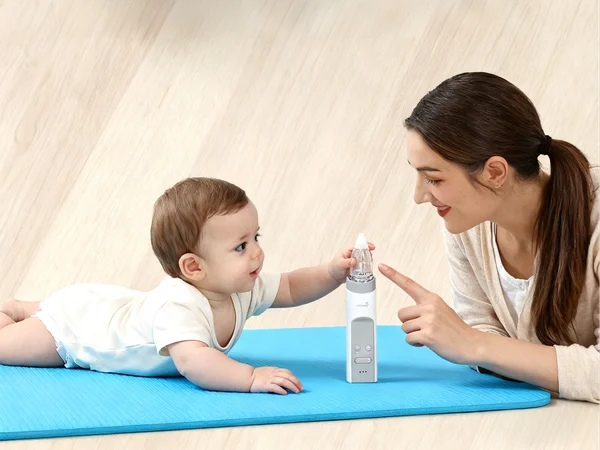
GROWNSY Electric Baby Nasal Aspirator - white and grey device with larger suction chamber, music and light functions
Best Electric

GROWNSY Electric Nasal Aspirator

β˜…β˜…β˜…β˜…β˜† 4.4/5 (16,268 reviews)

Key Features:

  • 3 adjustable suction levels
  • Music and light soothing functions
  • Larger suction chamber for efficiency
  • USB-C rechargeable (30 days per charge)
  • Anti-backflow technology

βœ… Pros

  • No parental suction required
  • Ultra-quiet motor operation
  • Food-grade silicone tips
  • Includes travel case and 3 tips

❌ Cons

  • Higher price point than manual options
  • Requires charging maintenance
  • More complex than traditional methods
Recommended for: Ages 0-12 years
$31.99 $39.99 -20%
View on Amazon
Dr. Talbot's silicone nasal aspirator for babies - gentle blue elephant design with medical-grade silicone
Most Affordable

Dr. Talbot's Silicone Nasal Aspirator

β˜…β˜…β˜…β˜…β˜† 4.6/5 (1,754 reviews)

Key Features:

  • Soft silicone material (blue elephant design)
  • Includes storage case
  • Dishwasher safe (top rack only)
  • Easy to disassemble and clean
  • Amazon's Choice product

βœ… Pros

  • 100% medical-grade silicone, phthalate-free
  • Helps babies breathe and sleep easier
  • Dishwasher and steam sterilizer safe
  • FSA/HSA eligible for reimbursement

❌ Cons

  • Requires manual suction from parent
  • Some users find suction less powerful than electric models
  • May need more frequent cleaning
Recommended for: Ages 0+ years

How to Use Baby Nose Cleaners Safely

1

Prepare Your Baby

  • Choose a calm moment when baby is not crying
  • Have baby in a comfortable position (lying down or slightly upright)
  • Gather all supplies before starting
  • Wash your hands thoroughly
2

Apply Saline Drops (Recommended)

  • Use 2-3 drops of saline in each nostril
  • Wait 30-60 seconds for saline to work
  • This helps loosen mucus for easier removal
  • Use only saline designed for babies
3

Use the Aspirator

  • Gently insert tip into baby's nostril
  • Don't insert too far - just at the opening
  • Use gentle, steady suction
  • Never force or use excessive pressure
4

Clean and Store

  • Clean the aspirator immediately after use
  • Use soap and warm water
  • Rinse thoroughly and air dry
  • Store in a clean, dry place

Essential Safety Tips for Parents

⚠️

Never Force It

If your baby resists or cries, stop immediately. Forcing can cause injury and create negative associations.

🧼

Keep It Clean

Clean the aspirator after each use to prevent bacterial growth. Replace filters regularly.

πŸ‘Ά

Age Appropriate

Use only devices designed for your baby's age. Never use adult nasal irrigation devices on infants.

πŸ‘¨β€βš•οΈ

Consult Your Doctor

Always check with your pediatrician before starting nasal aspiration, especially for newborns.

πŸ’§

Use Saline First

Saline drops help loosen mucus and make aspiration more effective and comfortable.

πŸ›‘

Know When to Stop

Stop if you see blood, if baby shows signs of distress, or if symptoms worsen.

Frequently Asked Questions

How often can I use a nasal aspirator on my baby?

Most pediatricians recommend using nasal aspirators 2-3 times per day as needed. However, always follow your doctor's specific recommendations for your baby's age and condition.

Is it safe to use nasal aspirators on newborns?

Yes, but with caution. Use only gentle bulb syringes or saline drops for newborns. Always consult your pediatrician first, and never use electric aspirators on babies under 6 months.

What's the difference between manual and electric aspirators?

Manual aspirators require you to create suction (like NoseFrida), while electric ones use battery power. Both are effective, but electric models are easier to use and provide consistent suction.

Can I make my own saline solution for my baby?

It's safer to use commercially prepared saline drops designed for babies. If you must make your own, use 1/4 teaspoon of non-iodized salt in 8 ounces of sterile water, but consult your pediatrician first.

My baby hates the nasal aspirator. What should I do?

Try using saline drops first to make the process more comfortable. Use the aspirator when your baby is calm, and stop immediately if they become distressed. Consider trying a different type of aspirator.

How do I know if my baby needs nasal aspiration?

Signs include difficulty feeding, noisy breathing, excessive fussiness, or visible mucus in the nose. However, always consult your pediatrician if you're concerned about your baby's breathing.

When to Call Your Pediatrician

Contact your pediatrician immediately if your baby has:

  • Difficulty breathing or rapid breathing
  • Blue lips or fingernails
  • High fever (over 100.4Β°F for babies under 3 months)
  • Refusal to eat or drink
  • Excessive sleepiness or irritability
  • Persistent nasal congestion that doesn't improve